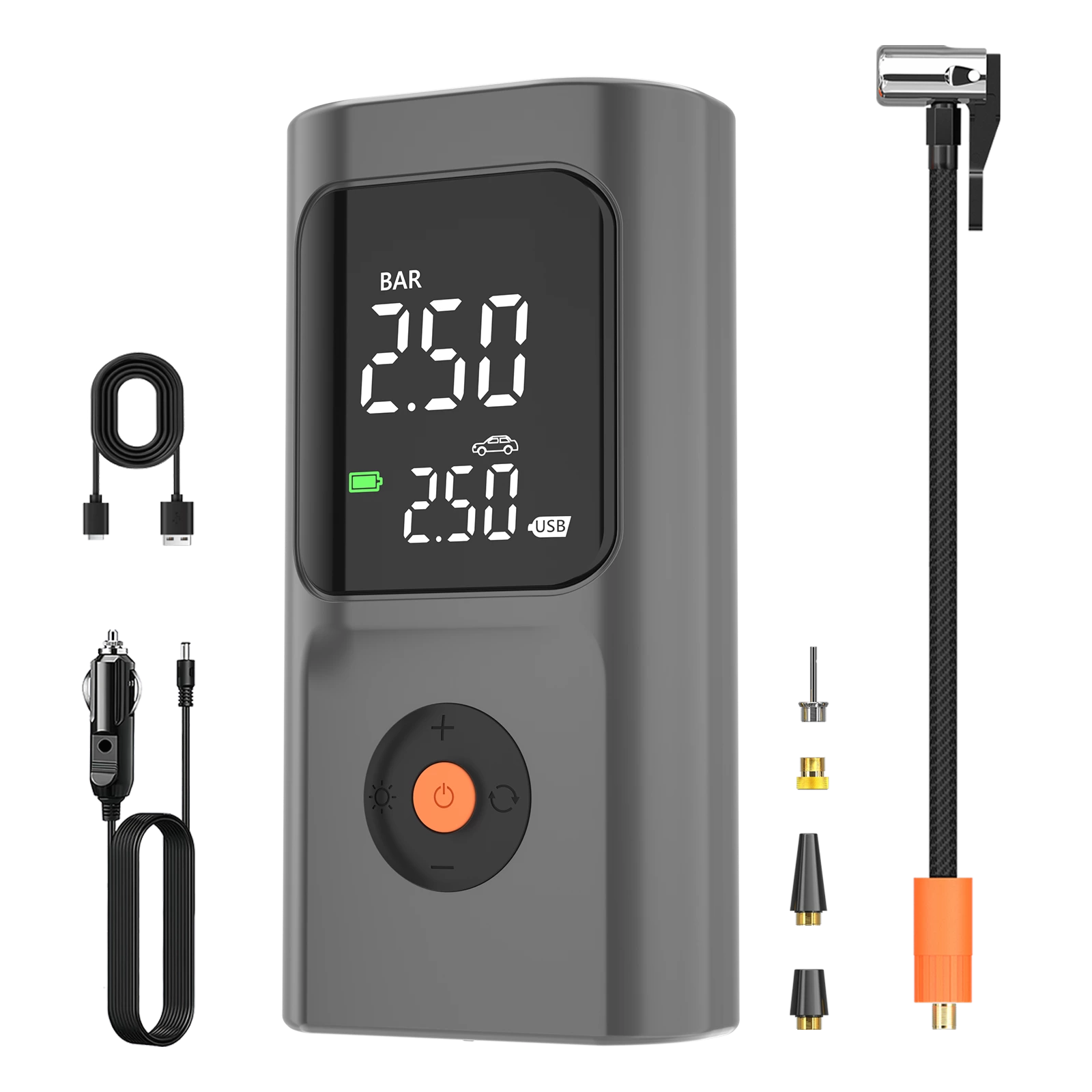
How Do Vehicle Jump Starters Work? Complete Working & User Guide
A dead car battery is a frequent roadside issue that leaves drivers stranded. A portable vehicle jump starter is a compact, standalone power tool designed to restart vehicles with drained batteries. Unlike traditional jumper cables that require a second running vehicle, modern jump starters deliver instant high power to crank engines independently. This guide covers their working principles, key components, step-by-step operation, parameter definitions, safety rules, and maintenance tips for everyday drivers.
1. What Is a Vehicle Jump Starter?
Also called a jump box or battery booster, a vehicle jump starter is a rechargeable portable device built to start vehicles with weak or fully dead batteries. Most models use lithium-ion batteries, offering small size, light weight, and reliable high-current output. Beyond jump-starting, most units feature USB device charging, LED emergency lighting, and tire inflation, serving as a multi-purpose roadside emergency tool.
2. How a Jump Starter Works (Core Principle)
Jump starters operate on one core logic: store stable low-voltage energy and release controlled high-current bursts to power the vehicle’s starter motor. The entire process occurs in three simple stages:
Step 1: Standby Energy Storage
Once fully charged, the jump starter’s built-in lithium battery stores power efficiently. Its low-power standby circuit maintains stable voltage, keeping the device ready for emergency use at all times.
Step 2: Voltage Matching & Current Boost
When connected to a dead battery, the intelligent control system automatically matches the vehicle’s 12V standard voltage. A built-in boost circuit amplifies stored power into high cranking current, compensating for the dead battery’s voltage loss and delivering stable starting power.
Step 3: Engine Crank & Ignition
The boosted high current powers the vehicle’s starter motor, which turns the engine crankshaft to complete fuel injection and ignition. Once the engine runs steadily, the car’s alternator takes over power supply and recharges the vehicle battery automatically.
3. Key Components & Functions
Every core component works together to ensure safe, reliable jump starts:
- Lithium-ion Battery Pack: The central energy storage unit. It delivers short, powerful high-current bursts to meet the high power demands of engine cranking.
- Intelligent Control Board: The device’s core control system. It manages voltage matching, current regulation, and multi-layer safety protection against incorrect operation and circuit abnormalities.
- Smart Jumper Clamps: Red (positive/+) and black (negative/-) insulated clamps for power transmission. Built-in smart chips prevent reverse connection, short circuits, and overcurrent damage.
- Power & Status Display: Shows remaining battery level, real-time voltage, and working status, with warning indicators for connection errors or faults.
- Multifunctional Ports: Integrated USB, DC, and LED interfaces support mobile charging, emergency lighting, and other auxiliary functions.
4. Step-by-Step Jump Start Guide (12V Vehicles)
Follow these standardized steps for safe, successful jump starts on cars, SUVs, and small 12V trucks:
- Pre-Operation Check: Turn off all vehicle electronics (lights, AC, audio) to reduce power draw. Ensure the jump starter has 50%+ battery for stable output. Clean dirt and corrosion from battery terminals and clamps.
- Connect Clamps Correctly: Fasten the red clamp firmly to the battery’s positive (+) terminal. Attach the black clamp to the battery’s negative (-) terminal or a clean, unpainted metal engine surface for safe grounding.
- Activate the Device: Power on the jump starter and wait 2–3 seconds for automatic voltage calibration. A "Ready" indicator confirms a normal, safe circuit connection.
- Start the Engine: Crank the engine via key or start button. Limit each start attempt to 3 seconds max to avoid component damage. Wait 30 seconds before retrying if the first attempt fails.
- Disconnect & Finalize: After stable engine operation, remove the black clamp first, then the red one. Power off the jump starter and store it properly. Let the car idle for 5–10 minutes to recharge the factory battery.
5. Core Parameter Guide
Understand these key specs to select and use your jump starter correctly:
- Rated Voltage: Standard 12V for most passenger vehicles; 24V models are exclusive to heavy-duty trucks and industrial vehicles (non-interchangeable).
- Peak Current: Determines starting power. 600–1200A suits standard fuel cars; 1500A+ is recommended for large-displacement vehicles or cold-weather starts.
- Battery Capacity (mAh): Dictates standby life and auxiliary charging times. Higher capacity means more jump attempts and longer service life.
6. Safety Rules & Common User Mistakes
Non-Negotiable Safety Rules
- Avoid positive/negative reverse connection; built-in protection prevents instant damage, but repeated errors will harm the circuit.
- Never touch exposed metal clamp tips during operation to prevent sparking and minor electric injury.
- Avoid continuous repeated use; pause between starts to prevent device overheating.
- Keep the device and clamps away from flammable materials during operation.
Common Operation Mistakes to Avoid
- Grounding the black clamp on painted/plastic surfaces, causing poor conductivity and failed starts.
- Frequent consecutive starting attempts, leading to overheating and premature circuit aging.
- Long-term storage with low battery, causing lithium battery capacity loss and device failure.
7. Maintenance & Storage Best Practices
Proper care extends a jump starter’s service life to 3–5 years:
- Regular Trickle Charging: Charge the unit every 2–3 months during idle periods to prevent self-discharge and battery damage.
- Proper Storage: Store in a cool, dry, ventilated area; avoid high temperatures, humidity, and direct sunlight.
- Pre-Use Inspection: Check for loose clamps, damaged wires, and normal indicator function before each use.
- Avoid Overload Use: Do not use the device on vehicles exceeding its rated voltage or displacement range.
8. FAQ
Q1: Can it start a fully dead car battery?
Yes. Modern smart jump starters feature independent boost circuits that provide full starting current without relying on residual battery power.
Q2: Why won’t my car start after proper connection?
Common causes include loose clamp contact, poor grounding, low jump starter power, or oversized vehicle displacement. Reconnect the clamps, adjust the grounding point, or fully charge the device before retrying.
Q3: Is device heating during use normal?
Slight warmth during high-current output is normal. Stop use immediately if the device overheats, emits odors, or shows abnormal faults.
Summary
Vehicle jump starters work by converting stored battery power into instant high current to crank vehicle engines independently. Compact and easy to operate, they eliminate the need for a rescue vehicle to fix dead battery emergencies. Following standard operating steps, safety rules, and routine maintenance ensures reliable performance, prevents roadside breakdowns, and improves driving safety.